CABC Accreditation Journey
In March, Earthside got our reaccreditation status with CABC, and I wanted to share with our followers what that really means, the process we went through, and why it’s so important to us!
Earthside is the first and only Birth Center in the state of Wyoming to be accredited by CABC, the Commission for the Accreditation of Birth Centers. This is a national accreditation agency in the US, similar to JCAHO accrediting body for hospitals. We first became accredited in 2025. The first year, we received a 1 year accreditation. This year, in 2026, we needed to reaccredit. Now we are on a 3 year accreditation cycle.
I wanted to explain exactly what this means, what we needed to accomplish to receive this, what the benefits are, and why this is important to us.
When Allison and I first started the first birth center in the state, it was important to us to go about it professionally, with safety, transparency, and accountability. We knew that in the world of medicine, especially birth, while midwives and birth centers have an impressive safety record, their reputations, the misunderstandings, and the miseducation around them can be daunting. We understood that the onus was on us to prove ourselves as safe, capable, and beneficial to the community. We didn’t want to just start our practice and be perceived as “crunchy” (we are!) or “fringe”, just out here crossing our fingers, just burn some sage (sometimes we do! ) and hoping for good outcomes. Our goal from the start was to practice safely, gain clientele, earn a positive reputation, become nationally accredited, and eventually state licensed.
When we began the journey toward accreditation in 2024, we quickly realized that the road to this certification was not going to be easy. The CABC has 7 Standards of Care. Nicely printed out in a 2 inch binder. When we received our accreditation start up package, it came with a spreadsheet. And the spreadsheet had a tab for each of the 7 standards. Each tab had about 50-100 questions each, and each question had us upload a document or be prepared to show the site inspector. We needed to complete every question under every tab before we were able to request a site visit. This process took a good part of an entire year, and a big push the month before the site visit. This site visit lasts about 2.5 days, and it’s 8 hours a day. Talk about intimidating! They went through everything with a fine, and I mean FINE toothed comb! The first day it took us 8 hours to go through 10 randomly chosen charts. Looking at every visit, Every entry in the birth log. The second day she combed through every drawer, every shelf, and every cupboard and looked at every expiration date. (Who knew the plastic needle covers had an embossed expiration date on them!). She checked every fire extinguisher tag, made sure chemicals were behind childproof locks. She looked at our medication fridge temperature logs. She looked at employee hiring records. She even looked at our dryer lint trap! (It wasn’t bad, but that was the one thing I hadn’t checked!).
After the site visit inspector reviews their findings with us, they bring it back to the board. From there, we can no longer “explain” ourselves, add details, or add documents. It’s all based on the inspectors notes. The board takes about 1 month to come back with their findings. And there is ALWAYS something they find! A lot of something’s! They categorize them into “recommendations” and “requirements”. If there are requirements, we receive a pending accreditation status and have 6 months to address the requirements. We resubmit those and wait again. Sometimes, there are still items to address. Accreditation status also costs a yearly fee.
If you’ve ever met me, you can guess from my hair, and my style of clothes that I fall much more squarely into the “free spirit” personality and not the “type A organized” personality. You will not find my desk organized, nor my kitchen, nor my closet. If you see any thing of that sort, it is because I need to make sure my office staff doesn’t hate me, and I try to not drive my spouse insane by my messes. My role at Earthside largely falls on “visionary”. I am diagnosed with ADHD. But sometimes that does come in handy, and while policies, procedures, spreadsheets, and task lists do not come easily, the hyper focus determination of accrediting does take over. So on one hand, the steps to this process are 100% overwhelming and make me cry. On the other, having a deadline gets the focus going and I buckle down and do it.
And, I am learning. I am learning the importance of the WHY of these things. And when I know the WHY, things click. Now, 2 years into this part of the birth center puzzle, the WHY is becoming more and more important.
When we first started, we had a written policy and procedure manual. It was mainly based off a sample P&P and we had cranked it out about a year before just to have one. I started to understand the importance of this binder. I started to appreciate this binder. I started to see why the Human Resource Departments exist. lol. I also started to understand that it’s one thing to HAVE a P&P, but it’s another to get the team to READ the P&P. Then it’s another thing to have the team REMEMBER we have a P&P and start to look there first. Or to remember that the newest staff needs to know. And then another step to ensure that we are FOLLOWING our P&P. And then another to look back at the year and review: Are we following our P&P? If not, do we need to change our practices? Or do we change our policy?
The first thing I learned as we started with this process was that CABC wasn’t really telling us WHAT to do, it was asking us: What is your system? What are your policies? Are you following them? If not, why? Are your policies based on standard of care or evidence-based practices and findings? Are you reviewing your charts? Who’s monitoring what’s happening in a birth? How are your prenatal visits set up? How are charts authenticated? How do you ensure no one can change records? How do you ensure providers or staff are doing what they need to do? What equipment do you have? How is it checked? Where are your fire escapes? Do your smoke detectors work? Do you review transfers? How are they going? How often are you reviewing your P&P? Are you updating it? How do you communicate with your staff to ensure they understand what has been updated? Do you have fire extinguishers? What charting software do you use? How do you treat clients? Do you ask your clients to review you? Give you feedback? What kind of signage do you have? What kind of relationship do you have with your local hospital? Your local pediatricians? What are your state regulations?
There are many birth centers who choose not to be accredited for many reasons. One reason we heard was that some birth centers don’t want an outside organization to “tell them how to do things”. Which I totally appreciate. That’s usually my vibe too. What I found, though, wasn’t so much someone coming in and making sure we were doing things a certain way and marking us down if we weren’t.
What I found:
They want to know that what we say we are doing is actually what we are doing.
They want to know who is reviewing charts to ensure that we are doing what we say we are doing.
They want to know that we hold emergency skill drills and that providers HAVE to attend.
They want to make sure we have current skills certifications and licenses and medical malpractice coverage.
They want to see how we respond to difficult situations, to transfers.
They want to see that we have a system and that we use it.
What I learned: Since we were starting from scratch, we learned how to create Policies and Procedures. We learned to create schedules for fire drills, emergency drills, chart reviews, transfer reviews. We learned what is considered a “sentinel event” that needs to be reported. Not to find wrong doing, but to connect us with professionals we can debrief with. Review what we did right. Feel safe enough to talk about what we need to do differently. We learned to create SYSTEMS. And we learned why systems should exist. It’s the checks and balances that every organization needs in order for safety to exist. Not only for a client. A mom. A baby. But also the midwife. The business. The community.
We have now put the work in to create these systems. The harder thing is to follow through on these systems, every day, every week, every month, without waiting to 2.5 years when the next site visit is looming and quick try to clean up the supply room. (Trust me that does sound appealing some days!). We can produce the monthly checklist that a midwife completed each month to ensure we don’t accidentally run out of an important medication. We can do monthly chart and transfer reviews so that our team can learn to improve consistently.
It would be easy to view these steps as overwhelming, nitpicky, and ridiculous. It would be easy to roll our eyes and assume each of our midwives “knows” how to chart. It would be easy to NOT talk about difficult situations. It would be easy to cater to feelings and egos and not feel safe enough to discuss what we could have done better. But it would not be safer.
In some ways, we have created a system that is still a bit large for our size. We have created checklists for new hires, and protocols for keeping staff immunization records up to date that might seem a bit clunky for a tiny little birth center with 2 midwives. But we see the value to create these systems BEFORE we grow, and find ourselves suddenly are behind the 8 ball and records and credit hours and expired certifications are falling through the cracks.
Recently, there has been a birth center that is under investigation for altering records, unsafe practices, and forging documents. While I have no comment, inside knowledge, or opinion for this situation, I found it a bit of a blessing to come to light as I was begrudgingly submitting my responses to many requirements that came up at our site visit this spring. I was complaining (mostly to myself but let’s be honest, everyone around me!) about how nitpicky some of it seemed, and how I felt like the last person who was good at coming up with a system for ensuring compliance from our team. For making sure chart reviews were completed. For doing monthly spore testing on our sterilization equipment. I was feeling sorry for myself for having to do all this while bearing the other stresses of finances, leading teams, replacing the slow air leak of our 3rd birth tub, the free consult that didn’t show up.
And then, it dawned on me. I know that these systems protect our clients, our providers, our birth center, our business, and our community. These systems provide the checks and balances to ensure these things don’t happen at Earthside. While mistakes can always happen, judgments will not always be perfect, while birth is still life and death that sometimes is beyond anyone’s control, there is much that is within our control. And that is practicing safely, making sure we know what that is. Making sure we do that to the best of our ability. Making sure someone is reviewing a chart. Making sure that we are debriefing both butter births and difficult births. Making sure we are looking at ourselves with openness, honesty, and transparency. Choosing to ask the local hospital if there are things we can do better, even though feedback can be uncomfortable. Making sure that we can own our mistakes, learn from our mistakes, talk about our mistakes, and do better.
It’s realizing that we can work on perfect charting, and we will always find room for improvement. It’s realizing that during our next site visit we will be required to chart 5 more things we haven’t been. We can either roll our eyes at this in protest or see it as another step in safety for our clients and for ourselves. We can also use this outside body as a way to question the standards. Talk about it. Push back even.
We can use it to be sure we understand our state regulations, and have an active voice in things that might need to change.
In short, accreditation has pushed us to better ourselves each and every day. Not just to be sure we keep our status, but because keeping our status forces us to practice better. It’s the container of checks and balances.
What are other benefits of accreditation: There are financial benefits for us and our community! Once we became accredited, 2 out of the 5 main health insurance payers agreed to contract with us for facility fees. This has been a huge game changer for our clients. To break health insurance down, the insurance company (and you!) pays 2 bills: One to the provider, and one to the facility. Think about a hospital stay: You are seen by a doctor, but you are staying in a hospital. You get 2 separate bills. One is for the actual doctor. The other, which is typically much larger, is for your stay at the facility. Last year my son had to get his appendix removed. He had a short surgery and hospital stay. The bill for the surgeon was about $4,000. The bill for the hospital was about $35,000. The facility portion covers everything besides the doctor. It covers the building, the insurance, the nurses, the reception, the supplies, the equipment, the Kleenex box, the food. As you can imagine, the facility fee is the bigger lift. Before we were accredited, we either couldn’t collect this portion of the costs from insurance, or clients had to pay this part out of pocket. Obviously, a facility fee for a birth center is much smaller than a hospital. But it’s still pretty important!
The other 3 main health insurance companies want us to have a state license before contracting us for the facility fee. We are also working on that! That story is an entirely different blog post, and most likely a 3 part series!
We are celebrating our recent re-accreditation status and see this all in a renewed light and energy! I would love to answer any question you may have about the process!
Our Amazon Favorites
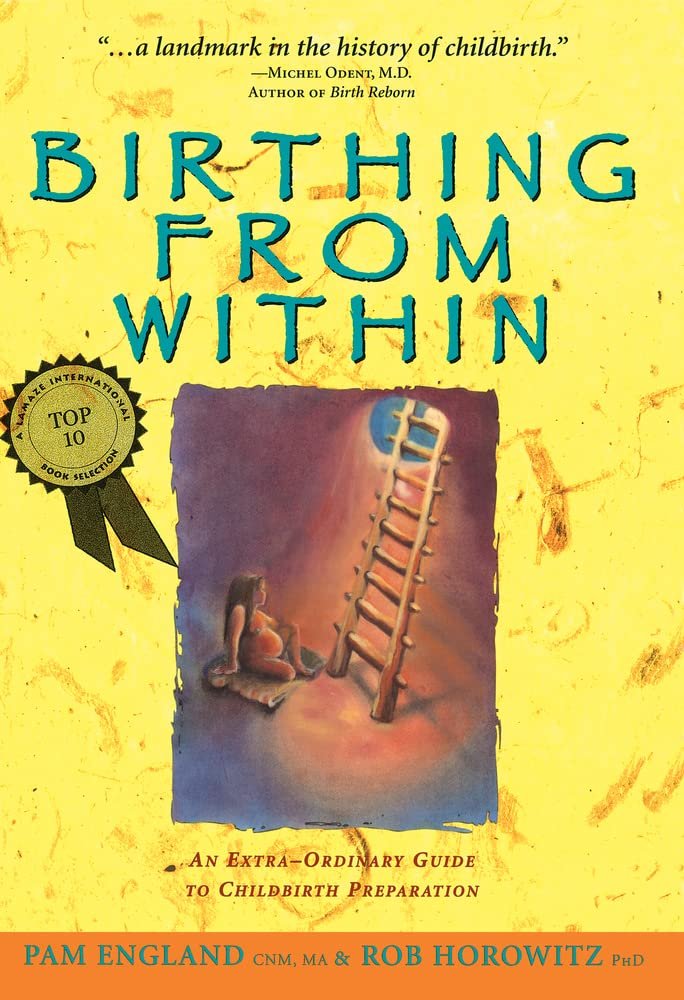



To Read
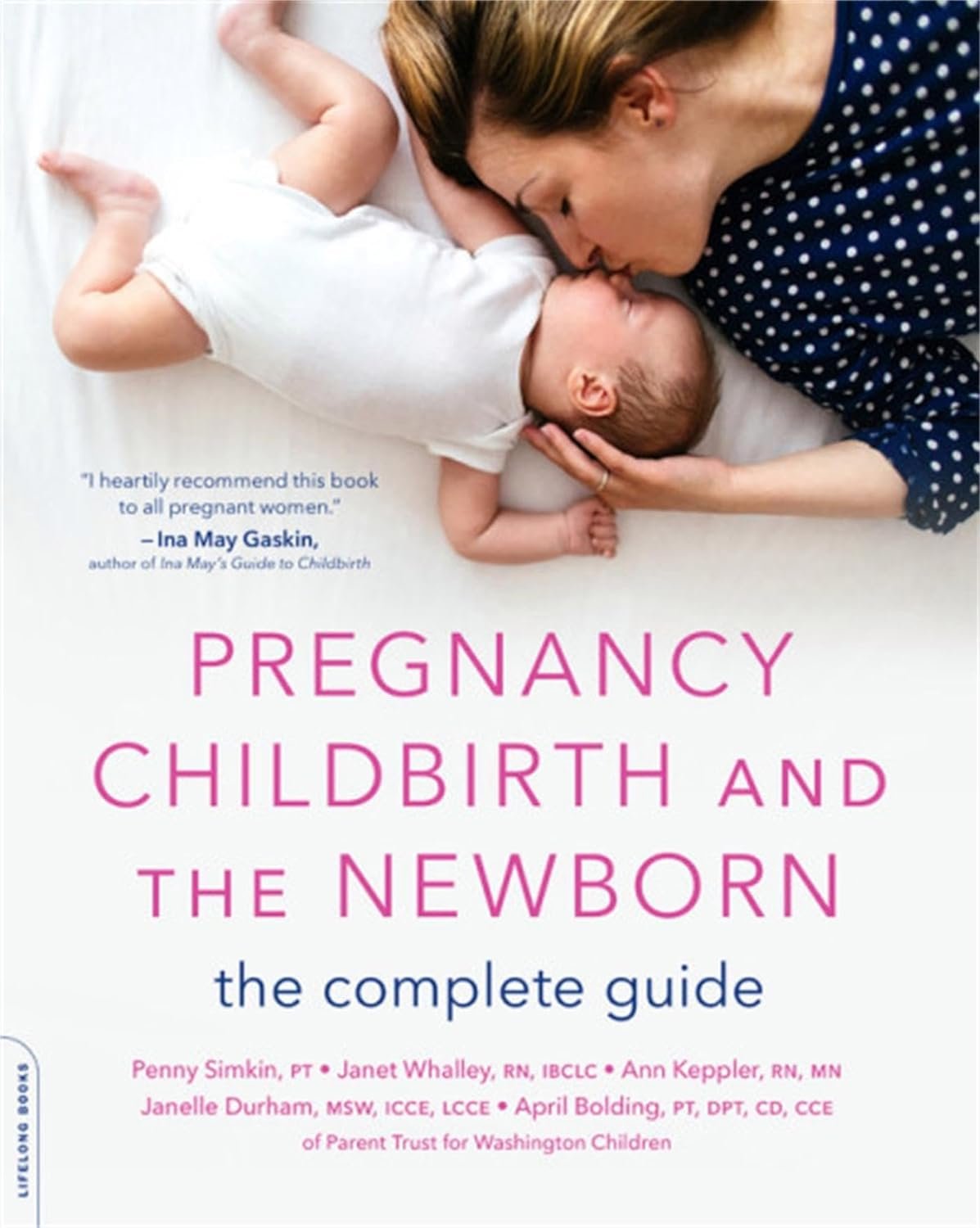
Pregnancy, Childbirth, and the Newborn Book
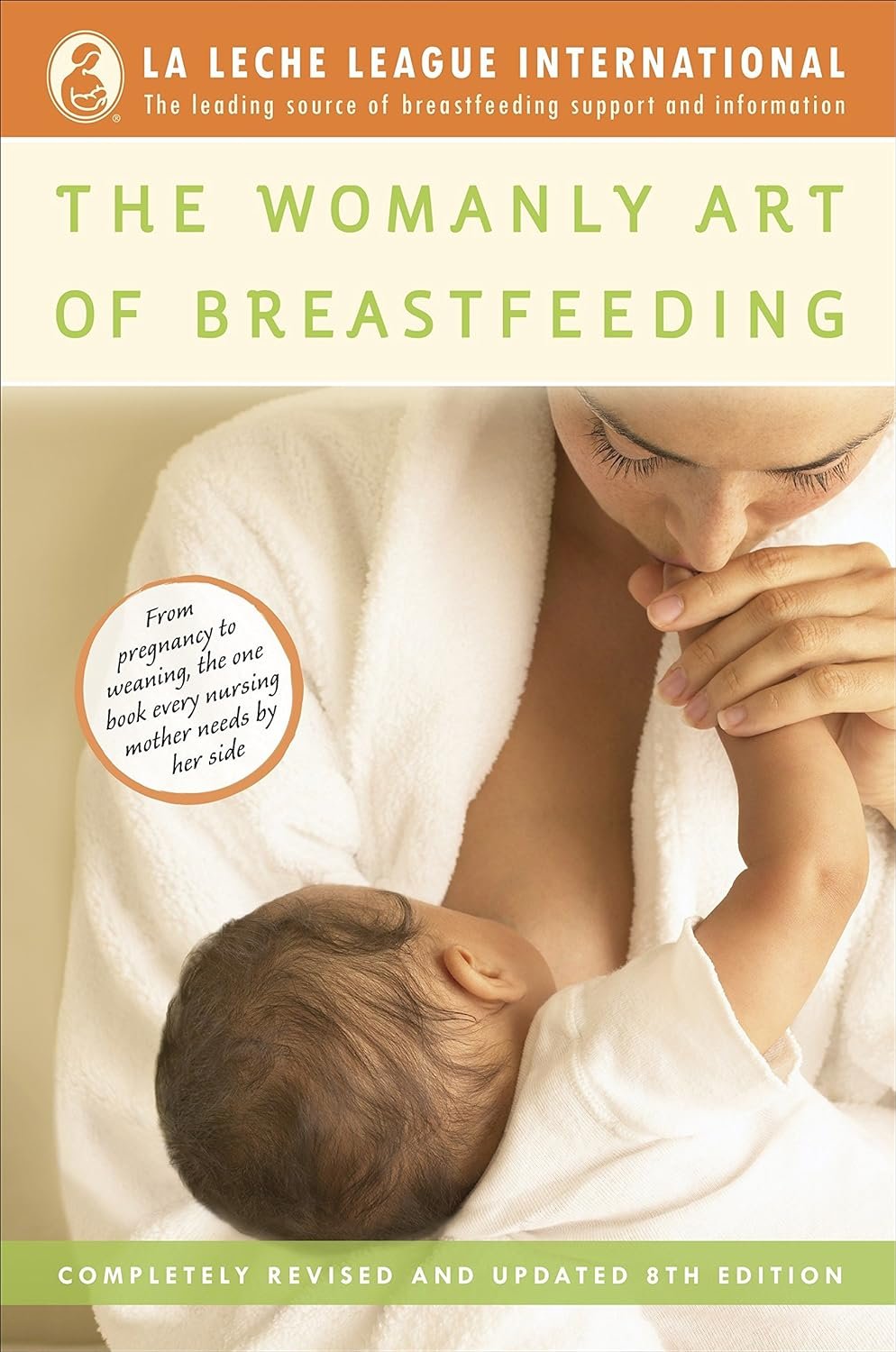
The Womanly Art of Breastfeeding Book
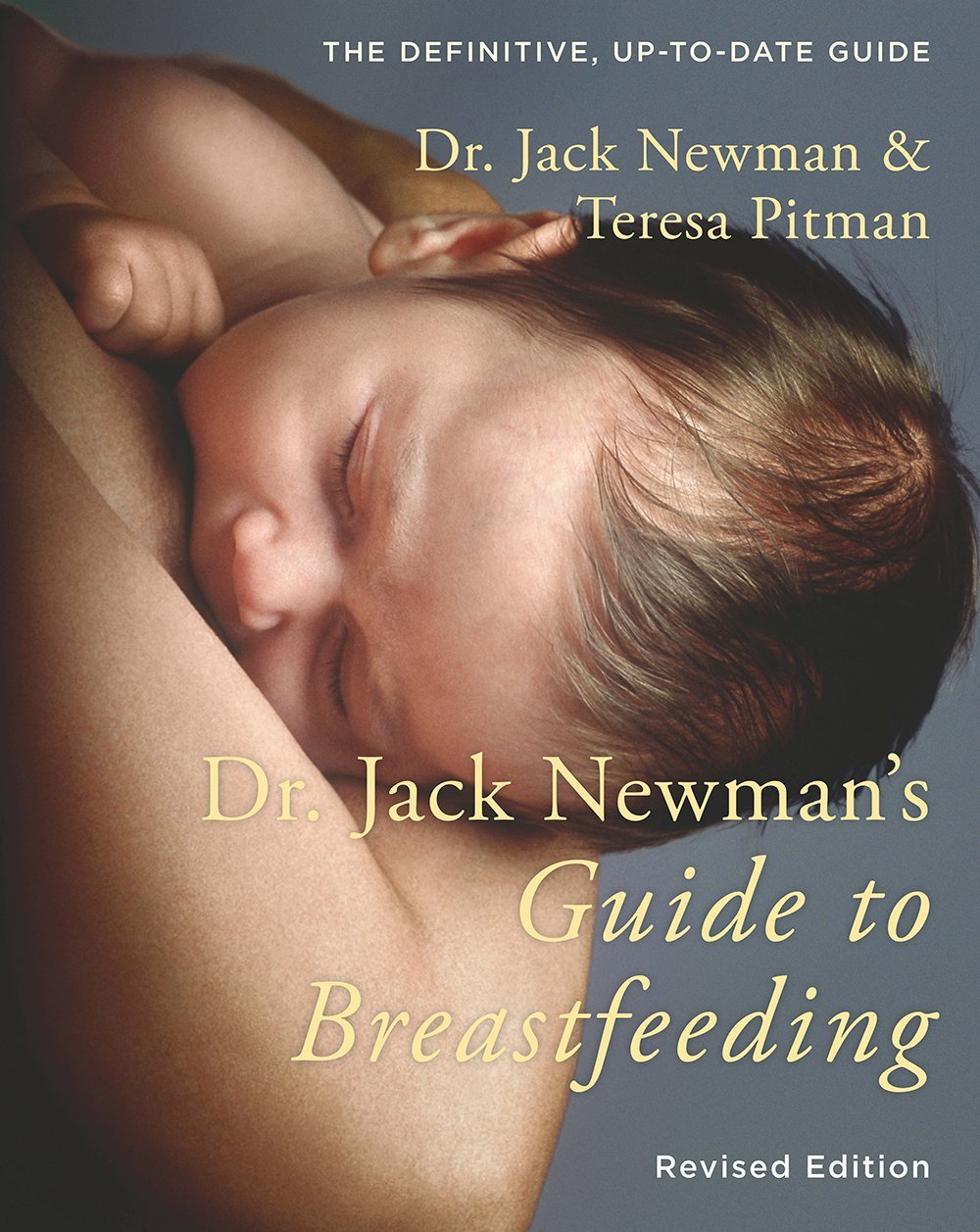
Dr. Jack Newman's Guide to Breastfeeding Book
To Watch
To Birth
Frida Mom Upside Down Peri Bottle
To Heal
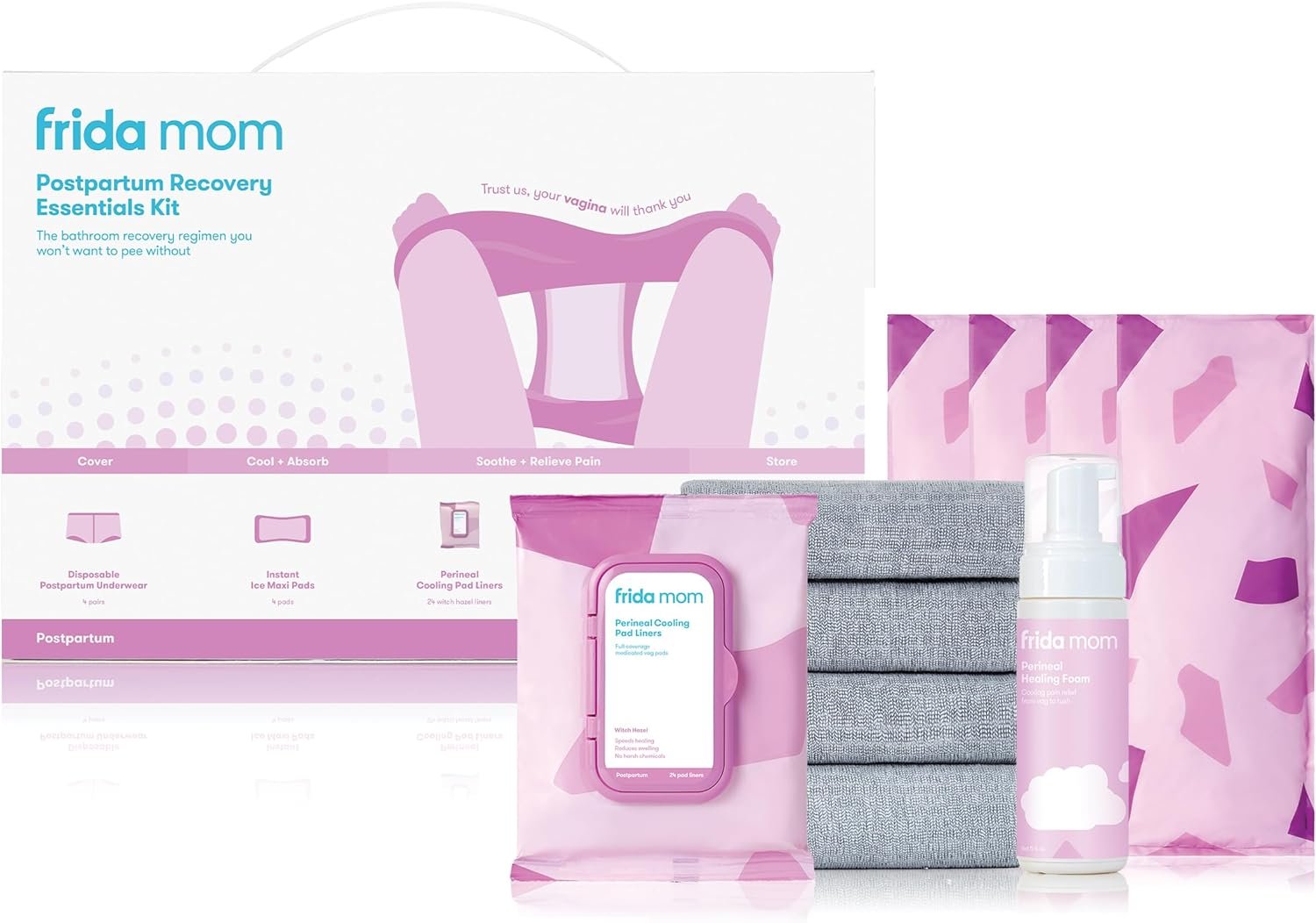
Frida Mom Postpartum Recovery Essentials Kit
WishGarden Herbs Organic Herbal Supplements for After Birth Pains
To Breastfeed

What’s the Difference between Doulas and Midwives?
Hey everyone! Today I wanted to write a little bit about the difference between a doula and a midwife. I get this question a lot, and I also get friends, family, and clients misunderstanding the difference! So let’s talk about it!
We are a bit more familiar with a midwife. It seems like an old fashion word, and I love saying “midwifery”. (Soft “I” like “wiffery”). It sounds very medieval and quaint. Lol. Midwives have existed as long as babies have been born! They were the original baby catchers and were even mentioned in Exodus. Midwives help people out. It wasn’t until the turn of the century, (and wowza is there some interesting and dark history in the US which I won’t get into) that obstetrics, men, and hospitals came on the scene. Spoiler alert, it wasn’t really about safety at that time! So birthing babies in a hospital with an OB is a relatively new experience, historically.
Let’s talk about midwives in Wyoming. Currently, the state recognizes 2 types of licensed midwives: a Certified Nurse Midwife (CNM), and a Certified Professional Midwife (CPM). Both are well educated and trained but had different routes of schooling and hands on training. A CNM is first an RN, who goes on to get her Masters of Nursing, and then Midwifery training on top of that. A CNM has some medical scope, where she can write prescriptions, do bloodwork, and can practice in hospitals that hire midwives. They are a bit more likely to be covered by insurance companies as well. While a CNM typically is more likely to be hospital based, and therefore more in the realm of “medical model of care”, they are not always! CNMs can practice home birth, hospital birth, or birth centers. Many practice “midwifery model of care”.
A CPM is more along the lines of a direct entry midwife. However, she still goes through midwifery schooling, either an associate’s degree or bachelor degree in the midwifery model of care. She then apprentices under another midwife and has to complete all her required skills, attends hundreds of prenatal appointments, dozens of births as an observer, assistant, and finally as the primary, while her skills are being assessed by her preceptor. She then takes a Board Certification. From there, she also needs to get licensed to practice by the state she works in.
Midwives provide the primary care for pregnant people throughout their pregnancy, labor, delivery, and postpartum. Midwives are also certified to care for a healthy newborn along with mom for the first 6 weeks! Midwives are often knowledgeable in supporting the breastfeeding experience as well. Midwives are trained to know what normal and healthy looks like, so when they see something different, they refer care to an obstetrician. What a lot of people don’t realize is that midwives are not only trained but well equipped for most birth emergencies! While a home birth and birth center lower the possibility of a risky labor by only caring for healthy women, they are still prepared for anything! Because they are training to watch, they will transfer care at the first indication something may go amiss. Typically, true emergencies are rare without a lot of heads up something is going wrong. The key is to catch these things early on to avoid it happening altogether. Midwives still can handle newborn resuscitation, mom hemorrhaging, and other emergencies with medication, oxygen, resuscitation equipment always on hand and a good relationship with emergency services.
So that covers midwives! Midwives help people out, and they are pretty badass!
Doulas: The word is derived from Greek, meaning “woman servant”. Now this seems to be a newer word in our culture and doulas are becoming more popular. I like to say a doula is like a personal assistant at your birth. She does NOT provide any medical care, nor is she trained for that. She DOES know a lot about birth though! She is there to learn what YOU want for your experience, and help empower you to get the birth you want. She meets with you, builds a relationship with you, learns your birth plan, and can help you sort out information. She educates you on all things birth, may send evidence based resources your way, and helps you ask questions so you get the information you need to make a great choice. She then attends your labor and birth, offering comfort measures, relaxation techniques, breathing techniques, and emotional support. She is there to help you! Many doulas are qualified to give breastfeeding support postpartum as well. If you are seeking a planned c-section, a planned epidural, or determined to have a natural birth, having a doula goes a LONG way to increase your odds of getting a satisfying experience. Where a midwife is doing fetal heart tones, checking the cervix, blood pressure, and more, a doula does not provide these things.
While a lot of women hire doulas to have a more natural experience in a hospital setting and feel like they need that extra support due to the environment that is more medically minded, many women planning home or birth center births hire doulas as well. Many midwives working in Out-Of-Hospital settings recommend or require clients to have doulas as these clients have a better experience, are more supported, and more informed, leading to a higher success rate.
There you have it! Both midwives and doulas are amazing support and we are so excited to offer these services to Cheyenne!
Current Updates at Earthside
Current updates at Earthside
We just wanted to touch base with our followers and let everyone know where in the process we are at! Building a birth center has so many facets and so many moving parts! We have been working for almost a year now to bring this service to Cheyenne. On the one hand that seems like a long time, but on the other hand, we are really just beginning. Allison and I have put a lot of time, effort, and thought into our business concept, our ideals, our mission, our vision, and our sustainability. After hammering out our business plans, budgets, pro formas, figuring out business structure, coaching, and a lot of dreaming, we hit the ground running.
When it is all concept, it’s hard to know what step to focus on next! (Short answer, ALL of the steps ALL at once!) Last fall we had our eye on a building that would be the “go big or go home” version. Vast amounts of space, ideal location, and the option to purchase. We pursued this, even getting a Conditional Use Approval from the city as it was zoned Multi Use Residential and we needed permission for Medical Office space. We received that permission and were encouraged by the approval! However, as we began contract negotiations, we realized that we weren’t comfortable with taking on such a huge purchase, realized our rehab costs would be upwards of $500,000 on top of the building purchase, and we had too many unknowns, including how long it would really take to find, hire, and employ a midwife or three. We decided against that building, even after we had spent some money in preliminary planning. While that stings a bit when you start out with such little capital, it’s a small price to pay for avoiding a potentially stressful mortgage situation! We learned a lot in the process, though, so that counts for something!
Realizing purchasing a building seemed like putting the cart before the horse, we began focusing on the search for a midwife. We were elated to find a great fit with Kim! This really inspired us to keep moving forward and to stay motivated and committed to our vision. Hiring our first midwife subsequently set into motion the next level of efforts. We started moving from “concept” to “reality”. Payroll. Policies. Procedures. Electronic Records. Clinic space. Birth Space. And so much more!
In the meantime, we had to also begin pursuing any type of funding available. We have applied for grants and have been turned down. We have applied for other grants and have been accepted! Being awarded several paid internship grants through Wyoming Workforce Services was a HUGE boost! We also received a mini grant through The Local Crowd which has been supporting us in building a startup campaign for small businesses to get seed money. This has also been a huge boost. Not only does The Local Crowd help us build a campaign, they provide a platform, one-on-one coaching, and several bonuses in monetary value along the way! We have a goal of $15,000 to earn by the end of April. We are almost to $5000, and even if we don’t get much past that, it’s $5000 more than we had before! We are SO grateful for any level of support. We have already been able to purchase ALL of our clinic supplies, and hope to earn enough to purchase the remaining birth supplies soon! We are continuing to pursue loans, lines of credit, and more grant opportunities.
So, now that we have a midwife, the big question is, “Where are you located?” The answer? “It’s complicated!” The space, for a while now, has been a “we need to keep looking, but we can’t make anything official because we aren’t generating income, and it’s a ways down the road, but oh wait! Now we need space and we need it yesterday!”
Currently, we are offering childbirth classes, breastfeeding classes, and breastfeeding support groups in Sarah’s home living room. We are offering Mama meetups in the park or at Allison’s home. We felt strongly that regardless of how long it takes to build out a permanent facility, these services are so needed in our community we wanted to start anyway.
We have a temporary “clinic and birth space” location to begin seeing clients as well. It’s a cozy studio that has a full bathroom, kitchen, queen bed, and enough space for an inflatable birth tub in addition to a regular bathtub! It’s also located 6 blocks from the hospital. We are currently on the hunt for more temporary office space to do clinic work and reserve the studio for strictly birth space. We have our eye on a potential permanent facility in the downtown area but it is in the very beginning stages. We think it’s IDEAL and we are hoping it comes to us and can’t wait to begin that phase, while at the same time, we are quite conscious of moving forward sustainably, “frugally”, and reasonably! We have been able to begin to break down our steps forward into more bitesize chunks and every day open to the knowing that the next step will appear. We may have to operate in several different spaces in 2023. Hopefully, we will have a temporary office/clinic space, a birth space, and a meeting space with the intent of a permanent space within the next year, that will then be licensed and accredited. This will remain the goal, even as we start small and in a cozy, homelike setting. For now, we are focused on the baby steps, the next steps, the steps that will lead to sustainability, quality, and the right steps forward.
I tend to be an open book and am willing to share that this vision, which seemed to come to me as an inspired idea, has brought so much excitement, fear, hope, confidence, growth, anxiety, and pretty much every emotion to the forefront for me. The days of confidence and excitement and progress can be thrown off by a day of disappointing news, realizing I’ve made a mistake, or being overwhelmed by the many tasks and hurdles that lay ahead. I often think of a cartoon character who leaps off a cliff and is soaring, yelling, “I’m flying! I’m flying! I’m really doing it!” Only to look down, see the ground so far below, and start falling. It is there I am able to slow down, stay present, and realize that is me holding back my own potential. I am in this project deep enough that I realize we will either succeed or fail, either one on a quite spectacular level. As my friend tells me, there are only successes and there are learning opportunities. We try to step back from those moments of fear, allow it to wash over us, see it for what it is, breathe, and remember our “why”.
We are doing this scary thing because someone needs to do it. We are doing it because women deserve midwifery care. They deserve holistic care. They deserve to feel cared for, supported, and empowered. Families in Cheyenne and the surrounding area need it, and they need it now.
We continue to feel so much encouragement from our community, our supporters, and our friends and family! We hope that our transparency is helpful and that we appreciate those that can see where we are at, and our next steps forward, and are in it with us, even through the temporary spaces, the changes, the unknown, and the adventure!